
Aviation for everyone
Aviation for everyone
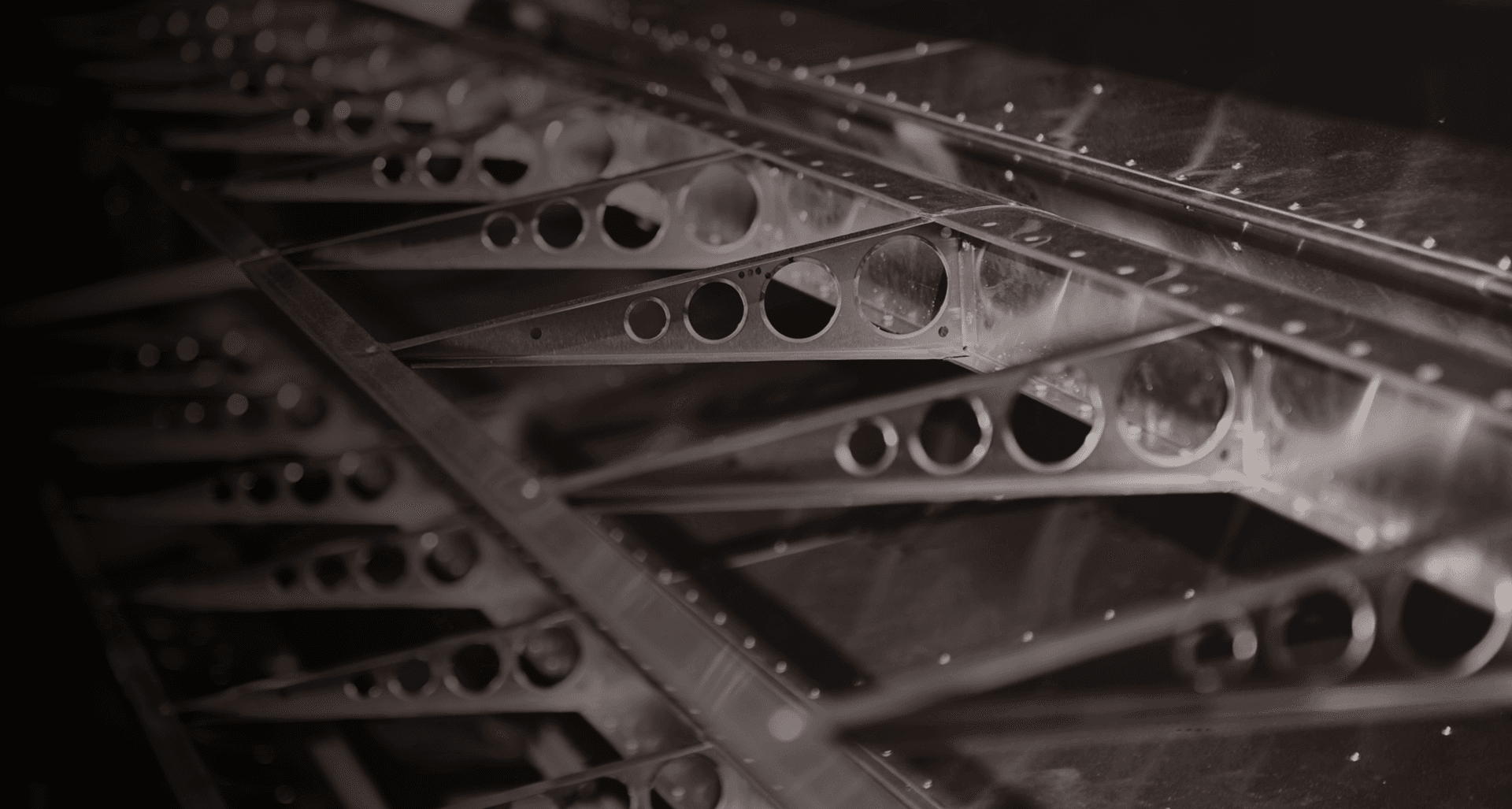
Our goal at Airhart Aeronautics is to build the most advanced airplane in the industry. We believe technology should be brought to bear on any problem we encounter rather than remain satisfied with existing solutions. By designing an aircraft around safety, reliability, ease of operation, and advanced technology, we not only make it easier for our customers to accomplish their goals but also shatter the stereotypical image of small aircraft.
Our goal at Airhart Aeronautics is to build the most advanced airplane in the industry. We believe technology should be brought to bear on any problem we encounter rather than remain satisfied with existing solutions. By designing an aircraft around safety, reliability, ease of operation, and advanced technology, we not only make it easier for our customers to accomplish their goals but also shatter the stereotypical image of small aircraft.
Our goal at Airhart Aeronautics is to build the most advanced airplane in the industry. We believe technology should be brought to bear on any problem we encounter rather than remain satisfied with existing solutions. By designing an aircraft around safety, reliability, ease of operation, and advanced technology, we not only make it easier for our customers to accomplish their goals but also shatter the stereotypical image of small aircraft.
Our Mission
Our Mission
Our Mission
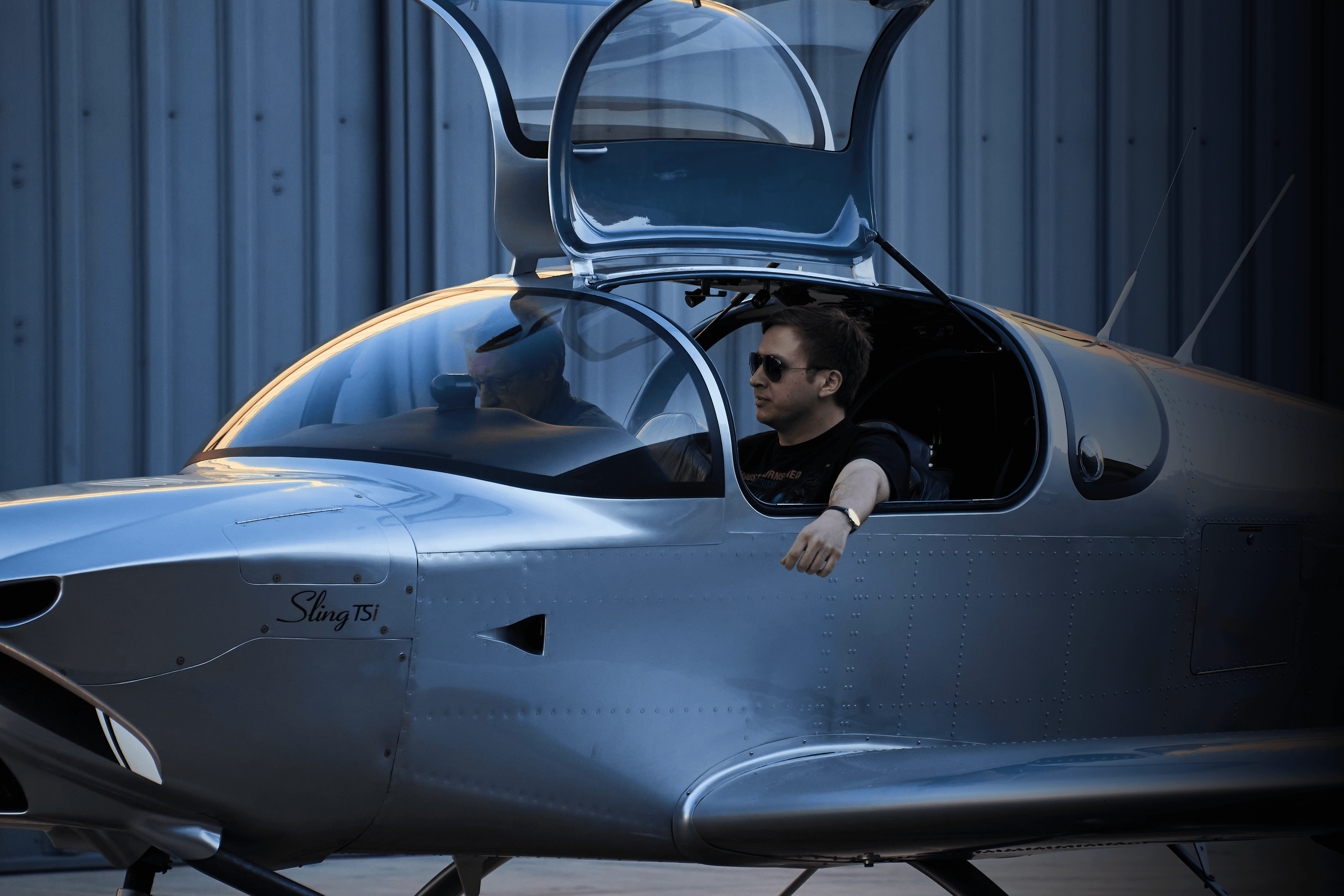
Airhart is revolutionizing the personal airplane by building safe, beautiful, intuitive-to-fly airplanes to give everyone the freedom of flight.
Airhart is revolutionizing the personal airplane by building safe, beautiful, intuitive-to-fly airplanes to give everyone the freedom of flight.
Airhart is revolutionizing the personal airplane by building safe, beautiful, intuitive-to-fly airplanes to give everyone the freedom of flight.
Our Vision
Our Vision
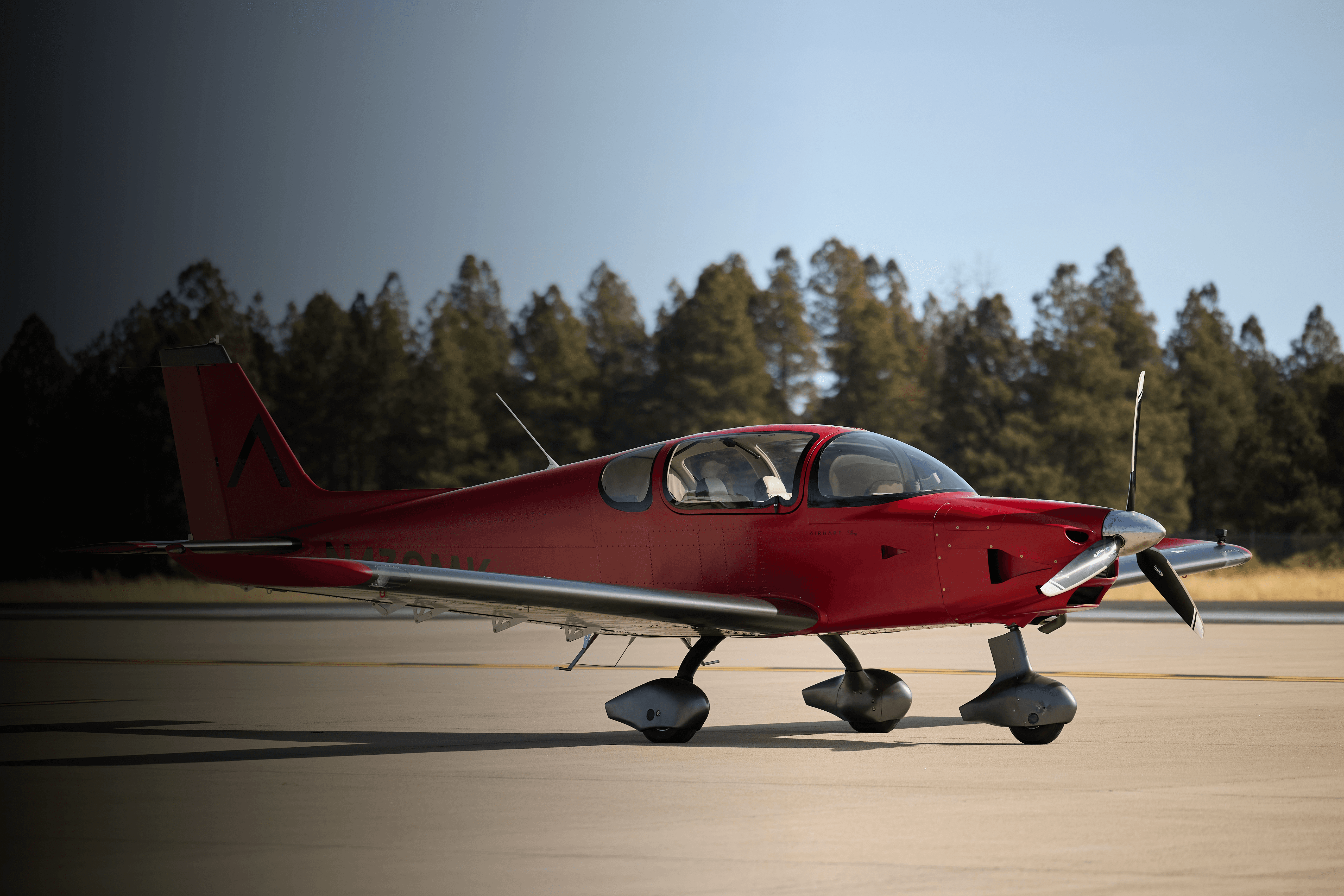
We’re building the easiest-to-fly, safest personal airplane to remove barriers to flight. Our aircraft will be safer and more intuitive to fly than any other personal aircraft on the market.
We’re building the easiest-to-fly, safest personal airplane to remove barriers to flight. Our aircraft will be safer and more intuitive to fly than any other personal aircraft on the market.
Our Team.
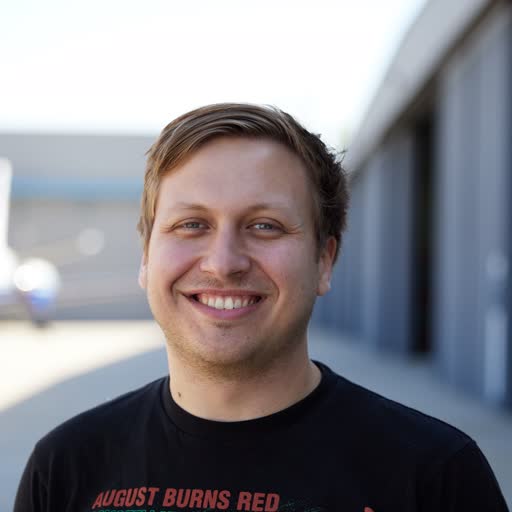
Nikita Ermoshkin is an electrical and systems engineer with experience in electrical, mechanical and software design and a degree in Electrical and Computer Engineering from Cornell University.
Nikita was an avionics systems and integration engineer at SpaceX, where he worked on Falcon 9 Fairing recovery, Falcon 9 Payload design, Falcon 9 Stage 2 avionics, and several other projects. Prior to SpaceX and Cornell, Nikita was a co-founder and systems architect at Carbon, where he worked on the development of Carbon's 3D printing technology and printer architecture.
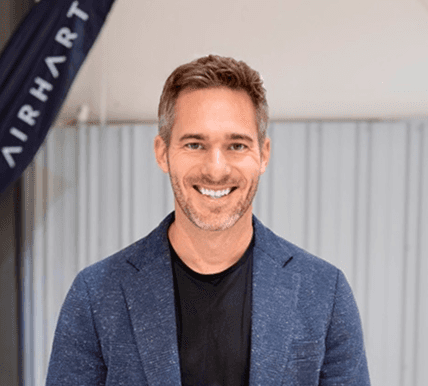
Nate Thuli is President of Airhart Aeronautics, where he is helping lead the company’s mission to make personal aviation simpler, safer, and more human-centered. He is guiding Airhart’s modular avionics platform toward market introduction while supporting development of the company’s next-generation aircraft.
With leadership experience across aerospace, defense, and emerging technology, Nate has scaled growing organizations, led complex modernization programs, and founded technology ventures focused on advanced systems and innovation.
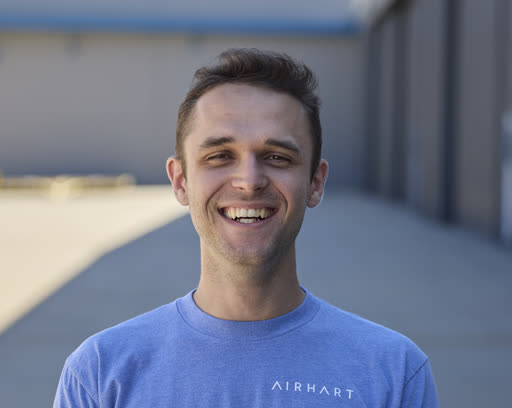
Soren’s passion for aviation and software engineering led him to pursue degrees in Mechanical Engineering and Software Engineering from North Carolina State University. He spent 8 years at Carbon designing, fabricating, programming, and testing cutting-edge large-format additive manufacturing technologies.
At Airhart, Soren leads the development of our flight software, bringing the rigors of traditional engineering disciplines into software engineering.
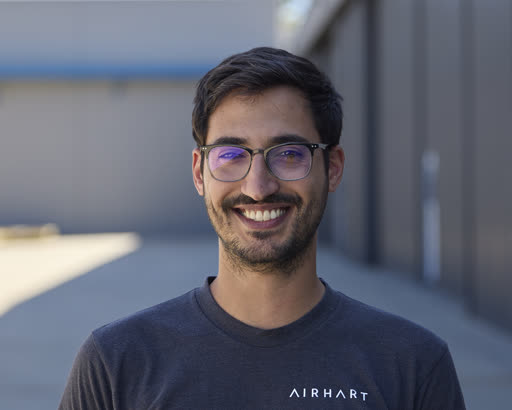
Suleyman is a Guidance Navigation and Control Engineer with a background in Aerospace Engineering from North Carolina State University and Autonomous Robotics from Grenoble INP. Previously, Suleyman was responsible for validating embedded software functionality crucial to on-board as well as remote charging and discharging of the Mach-E and F-150 Lightning. Today, his passion of ensuring the (semi) autonomous machines of the future are robust to uncertainties and errors brings him to Airhart, where his primary role will be quantifying and increasing the safety of flight.
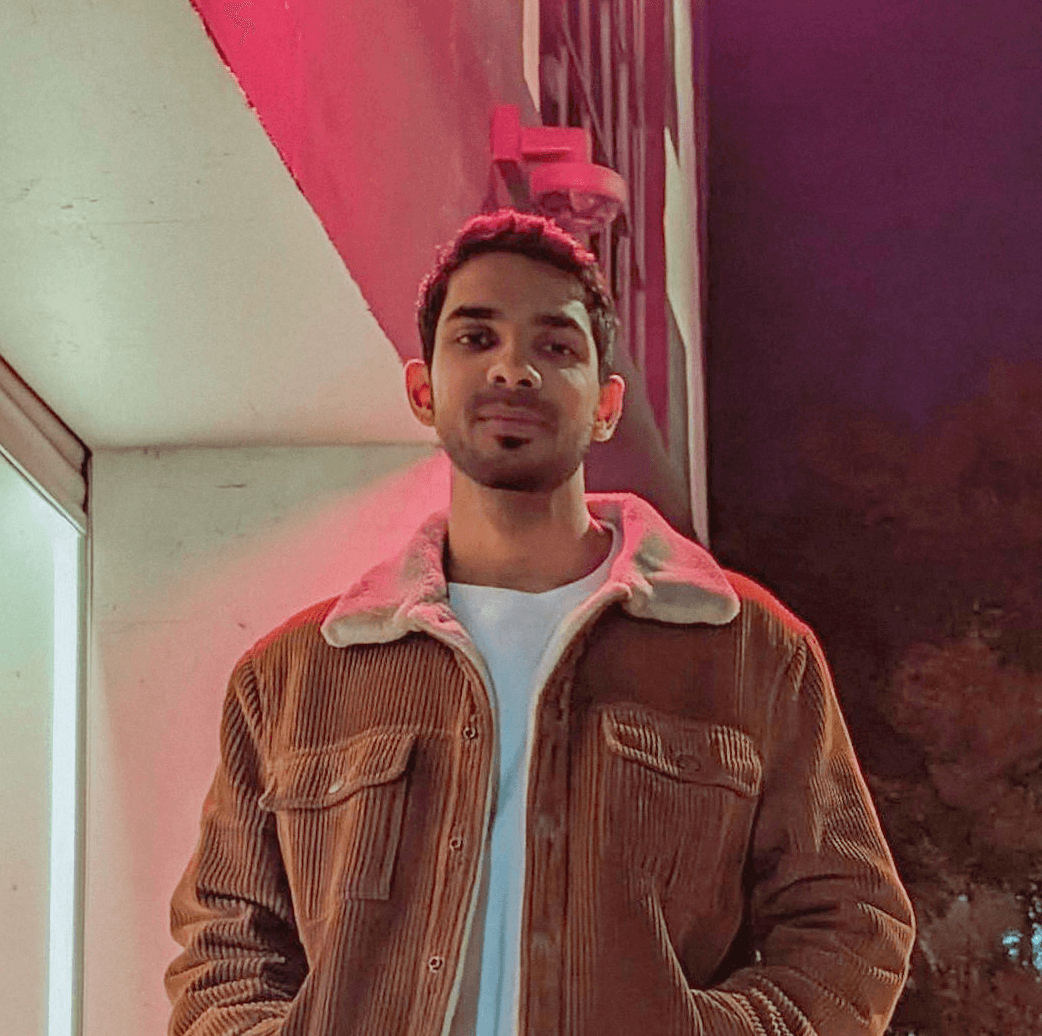
Aravind is an HMI Designer with a Master’s in Transportation UX Design and a background spanning automotive HMI, interaction design, and immersive digital experiences. Previously, at Audi Automated Driving Development, he worked on next-gen interfaces for assisted and autonomous driving, helping shape interaction concepts through prototyping, user testing, and human-centered design research. He also explored futuristic interaction design at Territory Studio, where storytelling and technology came together to imagine new experiences for the future of mobility.
Today, he is responsible for architecting the company’s UI design language and training platforms, ensuring the Airhart experience is as beautiful as it is easy to fly.

Bridger Caicedo is an engineer with a multidisciplinary background spanning electrical engineering, software engineering, and supply chain logistics. With experience bridging both technical development and operational execution, Bridger brings a systems-level approach to solving complex hardware and integration challenges. Today, his passion for building reliable, scalable technology brings him to Airhart, where he plays a key role in the sourcing, integration, and development of the Airhart Avionics system, helping ensure the platform is as dependable behind the scenes as it is intuitive in the cockpit.
Soren Rademacher
Lead Flight Software Engineer
Soren’s passion for aviation and software engineering led him to pursue degrees in Mechanical Engineering and Software Engineering from North Carolina State University. He spent 8 years at Carbon designing, fabricating, programming, and testing cutting-edge large-format additive manufacturing technologies.
At Airhart, Soren leads the development of our flight software, bringing the rigors of traditional engineering disciplines into software engineering.
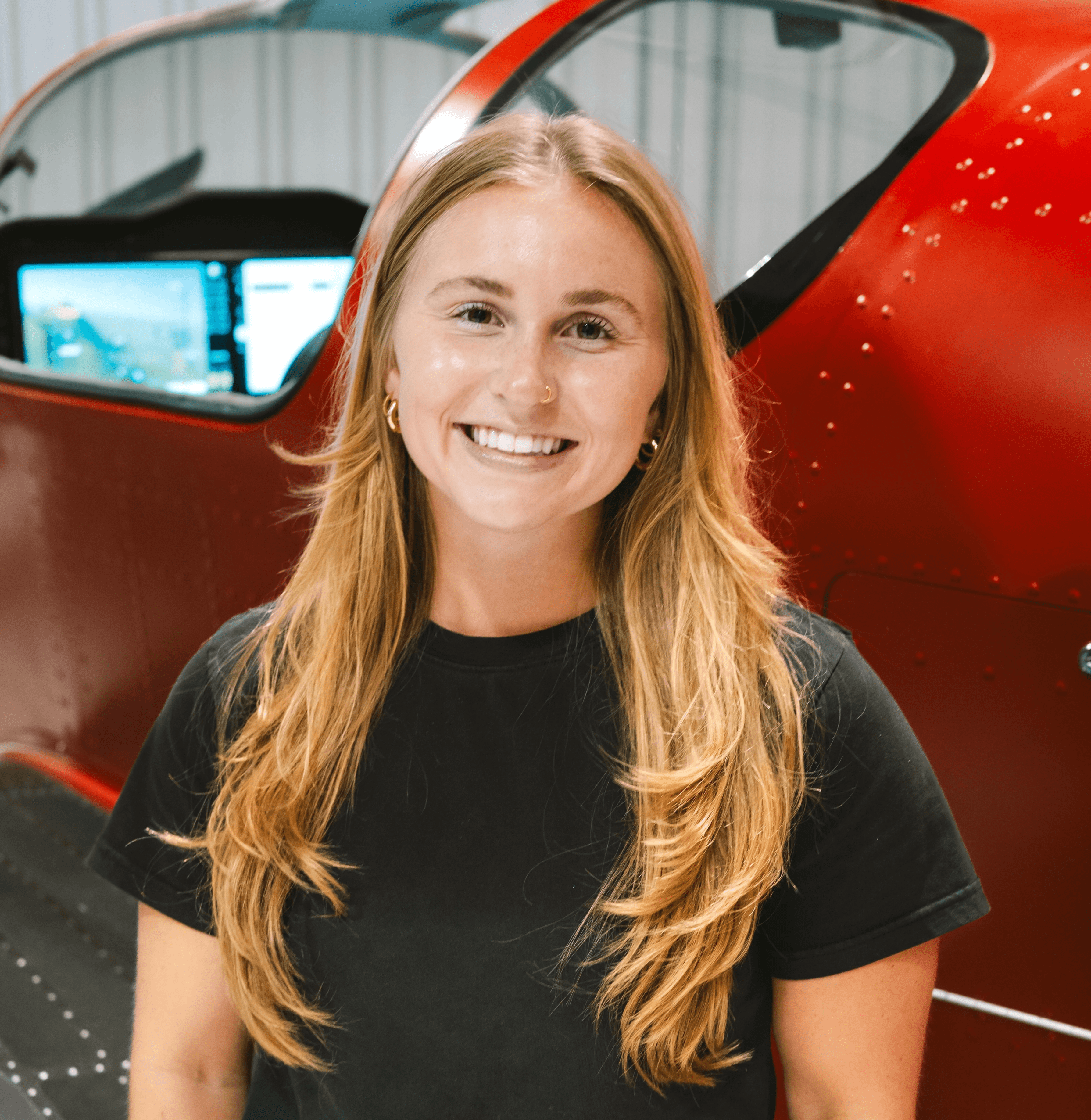
Lauren is an Associate Product Designer with a Bachelor of Science in Industrial Design from the Georgia Institute of Technology, where she focused on Engineering Psychology and human-centered design. Her background combines product design, human factors research, and systems thinking, with a passion for creating intuitive experiences in complex technical environments.
At Airhart, Lauren focuses on the human factors of avionics design, specializing in pilot-system interaction. By bridging cognitive principles, design, user testing and research, she works to create intuitive cockpit experiences that support pilot awareness, reduce workload, and make flying safer and more accessible.

Christian is a senior mechanical engineer with a background developing high-reliability spacecraft hardware. He holds a B.S. in Mechanical Engineering from Santa Clara University. Before joining Airhart, he designed space hardware for the U.S. Space Development Agency’s Tranche 1 and Tranche 2 programs, supporting next-generation missile warning, tracking, and resilient communications capabilities. His work spanned thermal and structural analysis, mechanical design, manufacturing, integration, and qualification testing, giving him experience across the full hardware development cycle and a deep passion for the engineering details that turn good ideas into reliable, repeatable hardware.
Today, he brings the same space-hardware rigor to the mechanical development of Airhart’s next-generation aircraft system as the team works toward a future where general aviation is safer, simpler, and accessible to everyone.
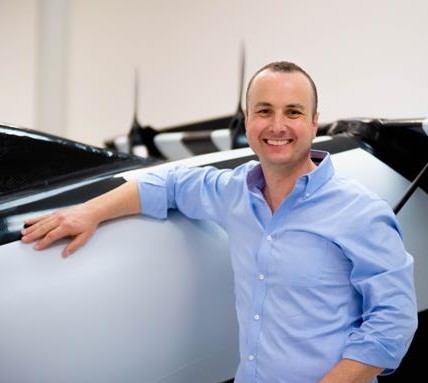
For twenty-five years, Ben has been building sustainable high-growth companies and revolutionary new aerospace vehicles.
His past projects include building the around-the-world non-stop, non-refueled aircraft, Globalflyer; the first commercial manned spaceship, SpaceShipOne, and follow-on SpaceShipTwo; optionally piloted/unmanned air vehicle Firebird demonstrator; high-performance experimental jet Swift; Model 401 advanced research aircraft; world’s largest composites airplane, Stratolaunch; an all-electric personal air vehicle, BlackFly, and SA-2, product concept for electric vertical take-off & landing flying taxi.
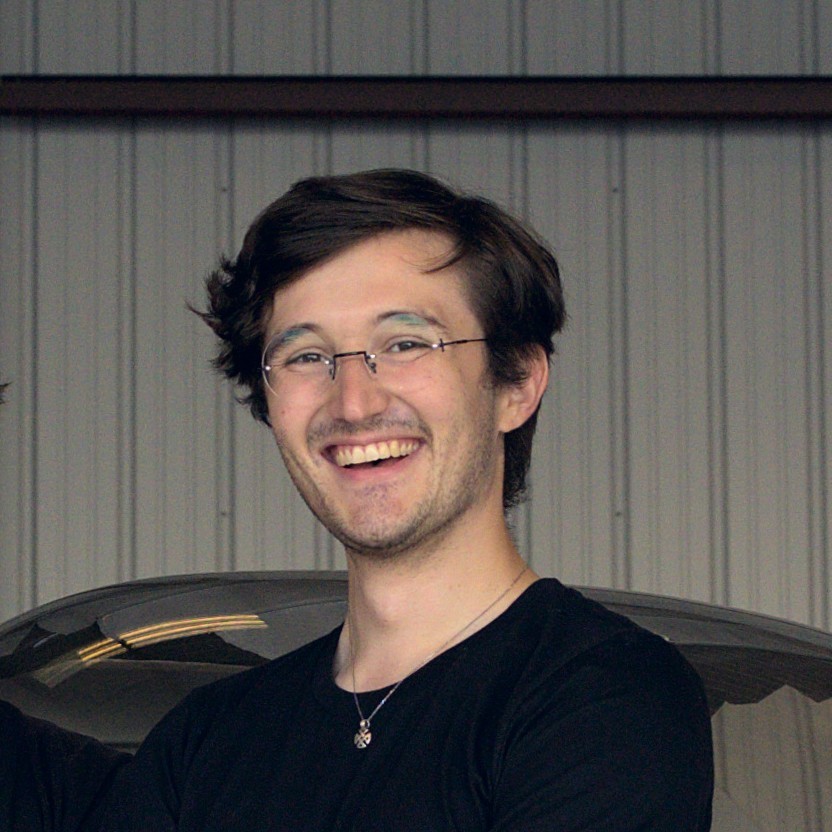
Brendan Quinn is a software engineer who specializes in low level software and embedded systems. He previously worked at Apple as a technical lead on the prototyping and emulation team for several of Apple's silicon chips including the M1, M2 lines. Brendan graduated with a degree in Computer Science and a vector in AI from Cornell University. Brendan led Cornell University Unmanned Air Systems, a team dedicated to building autonomous aircraft for search and rescue missions and where he met Nikita. Together they competed against over 50 international teams, routinely placing in the top 3 teams.
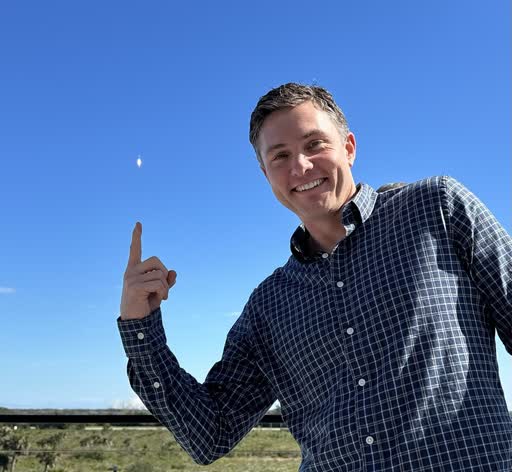
As the Vice President of Falcon Launch Vehicles, Jon Edwards leads a team of over 100 engineers in the development and operation of the Falcon 9 and Falcon Heavy launch vehicles. In this role Jon is responsible for all Falcon related development projects as well as the cost, reliability and performance of the vehicle during all phases of its life cycle.
Jon has been with SpaceX since early 2004. Jon started his SpaceX career as the lead engineer for the Kestrel rocket engine and responsible engineer for the Falcon 1 upper stage. He transitioned to Falcon 9 as the responsible engineer for the F9 2nd Stage. Over the next 10 years Jon played a key role in developing increasingly advanced versions of the Falcon 9 including v1.1, Full Thrust, and Block 5 – the most advanced and rapidly reusable heavy lift launch vehicle in history.
Brendan Quinn is a software engineer who specializes in low level software and embedded systems. He previously worked at Apple as a technical lead on the prototyping and emulation team for several of Apple's silicon chips including the M1, M2 lines. Brendan graduated with a degree in Computer Science and a vector in AI from Cornell University. Brendan led Cornell University Unmanned Air Systems, a team dedicated to building autonomous aircraft for search and rescue missions and where he met Nikita. Together they competed against over 50 international teams, routinely placing in the top 3 teams.
As the Vice President of Falcon Launch Vehicles, Jon Edwards leads a team of over 100 engineers in the development and operation of the Falcon 9 and Falcon Heavy launch vehicles. In this role Jon is responsible for all Falcon related development projects as well as the cost, reliability and performance of the vehicle during all phases of its life cycle.
Jon has been with SpaceX since early 2004. Jon started his SpaceX career as the lead engineer for the Kestrel rocket engine and responsible engineer for the Falcon 1 upper stage. He transitioned to Falcon 9 as the responsible engineer for the F9 2nd Stage. Over the next 10 years Jon played a key role in developing increasingly advanced versions of the Falcon 9 including v1.1, Full Thrust, and Block 5 – the most advanced and rapidly reusable heavy lift launch vehicle in history.
Aravind is an HMI Designer with a Master’s in Transportation UX Design and a background spanning automotive HMI, interaction design, and immersive digital experiences. Previously, at Audi Automated Driving Development, he worked on next-gen interfaces for assisted and autonomous driving, helping shape interaction concepts through prototyping, user testing, and human-centered design research. He also explored futuristic interaction design at Territory Studio, where storytelling and technology came together to imagine new experiences for the future of mobility. Today, he is responsible for architecting the company’s UI design language and training platforms, ensuring the Airhart experience is as beautiful as it is easy to fly.

Bridger Caicedo is an engineer with a multidisciplinary background spanning electrical engineering, software engineering, and supply chain logistics. With experience bridging both technical development and operational execution, Bridger brings a systems-level approach to solving complex hardware and integration challenges. Today, his passion for building reliable, scalable technology brings him to Airhart, where he plays a key role in the sourcing, integration, and development of the Airhart Avionics system, helping ensure the platform is as dependable behind the scenes as it is intuitive in the cockpit.
Lauren is an Associate Product Designer with a Bachelor of Science in Industrial Design from the Georgia Institute of Technology, where she focused on Engineering Psychology and human-centered design. Her background combines product design, human factors research, and systems thinking, with a passion for creating intuitive experiences in complex technical environments.
At Airhart, Lauren focuses on the human factors of avionics design, specializing in pilot-system interaction. By bridging cognitive principles, design, user testing and research, she works to create intuitive cockpit experiences that support pilot awareness, reduce workload, and make flying safer and more accessible.
Christian is a senior mechanical engineer with a background developing high-reliability spacecraft hardware. He holds a B.S. in Mechanical Engineering from Santa Clara University. Before joining Airhart, he designed space hardware for the U.S. Space Development Agency’s Tranche 1 and Tranche 2 programs, supporting next-generation missile warning, tracking, and resilient communications capabilities. His work spanned thermal and structural analysis, mechanical design, manufacturing, integration, and qualification testing, giving him experience across the full hardware development cycle and a deep passion for the engineering details that turn good ideas into reliable, repeatable hardware.
Today, he brings the same space-hardware rigor to the mechanical development of Airhart’s next-generation aircraft system as the team works toward a future where general aviation is safer, simpler, and accessible to everyone.
For twenty-five years, Ben has been building sustainable high-growth companies and revolutionary new aerospace vehicles.
His past projects include building the around-the-world non-stop, non-refueled aircraft, Globalflyer; the first commercial manned spaceship, SpaceShipOne, and follow-on SpaceShipTwo; optionally piloted/unmanned air vehicle Firebird demonstrator; high-performance experimental jet Swift; Model 401 advanced research aircraft; world’s largest composites airplane, Stratolaunch; an all-electric personal air vehicle, BlackFly, and SA-2, product concept for electric vertical take-off & landing flying taxi.
Stay Up to Date
Keep in the loop on the latest news and events from us including launch status, new products, and more.
By submitting your email, you agree to receive marketing communications from Airhart Aeronautics Inc. You can unsubscribe at any time.

The Cockpit Has Changed.
Aviation changed the world.
Its interface never truly evolved.
Until now.
Copyright © 2026 Airhart Aeronautics Inc. All rights reserved.
The Cockpit Has Changed.
Aviation changed the world.
Its interface never truly evolved.
Until now.
Copyright © 2026 Airhart Aeronautics Inc. All rights reserved.
The Cockpit Has Changed.
Aviation changed the world.
Its interface never truly evolved.
Until now.
Copyright © 2026 Airhart Aeronautics Inc. All rights reserved.
The Cockpit Has Changed.
Aviation changed the world.
Its interface never truly evolved.
Until now.
Copyright © 2026 Airhart Aeronautics Inc. All rights reserved.